Rethink Gratitude
6 ideas to help you become a better observer of your own gratitude

Research has connected gratitude practices with improvements in well-being, positive emotions, and relationships. But gratitude has other possibilities as well.
Gratitude can change what you notice. It can help you recognize the effort behind everyday conveniences, see familiar relationships in a new light, and become more aware of the people who contribute to our lives. And sometimes, that awareness can inspire us to act differently.
Here are six practices to help you explore your gratitude.
1. Follow the invisible chain
Think of something ordinary you enjoy: a cup of coffee, a comfortable room, a reliable school bus, or your favorite book. Trace all the people and actions that make this experience possible, including people you'll never meet. Consider the skills, effort, care, and cooperation involved.
Treating gratitude as a social emotion helps you recognize the value of other people. The specific chain-tracing activity is a suggested application, not a separately validated intervention.
2. Notice what's working
Our attention is often drawn toward obstacles, interruptions, and unfinished tasks. Instead, identify three moments when something worked because of preparation, care, or cooperation.
Deliberately noticing overlooked sources of support, helps shifts your attention from the negative to the positive.
3. Revisit an ordinary moment
Some of our most meaningful experiences don't seem particularly important while they are happening. Rather than simply labeling it good, spend time remembering the experience.
Choose an ordinary moment from the last week and reconstruct it in detail. Where were you? What did you hear? Who was present with you? Why did this moment matter?
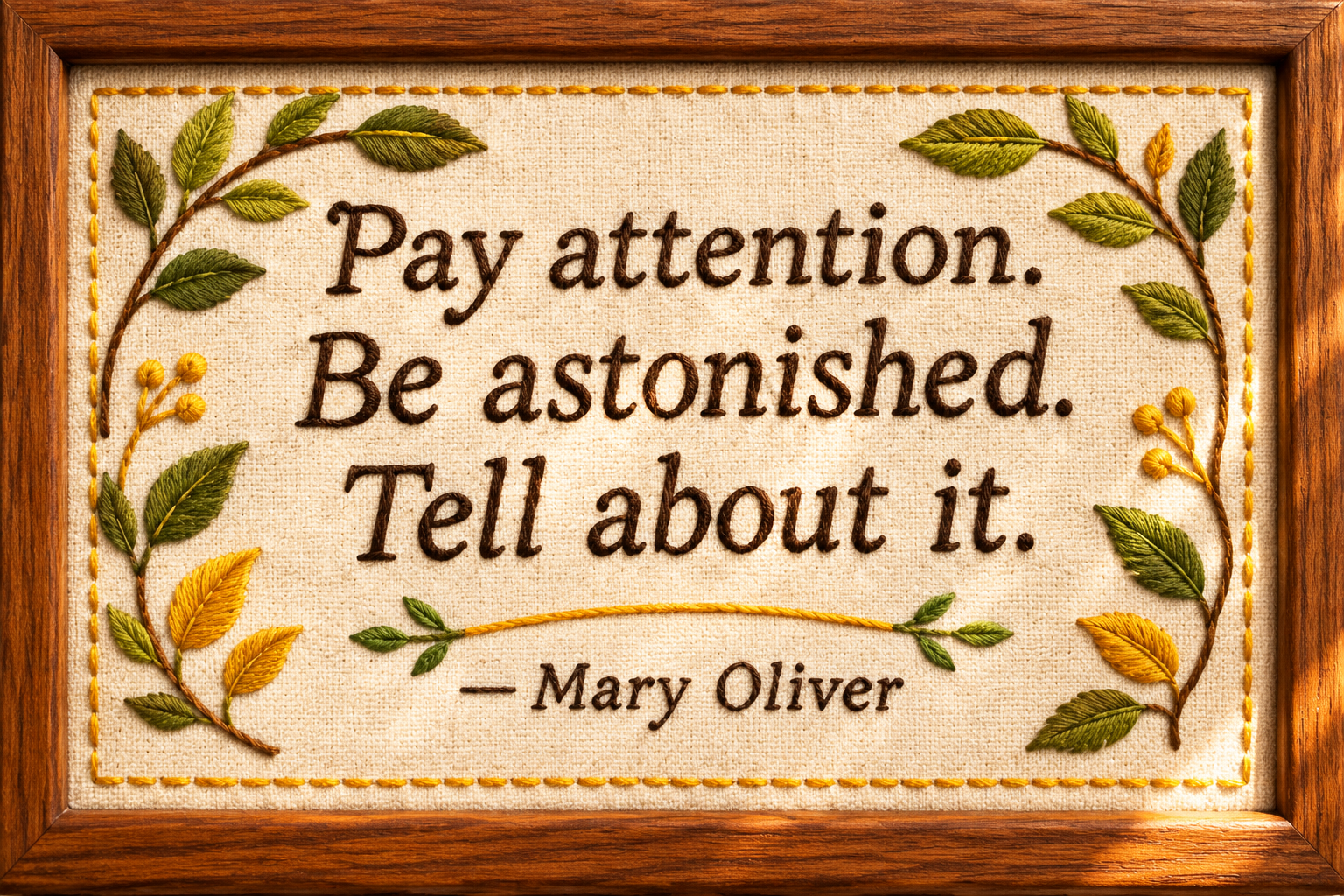
Combining gratitude with savoring, helps us attend to and extend positive experiences.
4. Imagine it never happened
Instead of thinking about something wonderful in your life, imagine how easily it might never have happened. Choose one good thing you now take for granted. Trace the decisions, coincidences, and circumstances that made it possible. Imagine your life if just one of them had been different.
Research on mental subtraction found that imagining the absence of a positive experience produced greater positive feelings than simply reflecting on its presence.
5. Let gratitude guide a choice
Gratitude doesn't have to end with how you feel. It can influence how you spend our time, attention, and resources. Identify something you are deeply grateful for and ask: Am I treating this as something I value?
Use gratitude to help you convert appreciation into purposeful action. If you appreciate a relationship, make time for it. If you value nature, protect or care for a place you enjoy.
6. Turn appreciation into action
In other words, "Pay it forward." Instead of merely thanking someone, use what you appreciate about them to guide your next interaction. For example, if you appreciate a colleague's willingness to listen, make time to listen to them. Likewise, if someone helped you feel included, extend that same welcome to another person.
Explore the social aspect of gratitude helps you recognize and reinforce the relationships you value.
Pick the practice that matches your goals
Decide what you want more of in your life and use one of these practices to explore how gratitude might help you get there.
The greatest value of gratitude may not simply be making us feel better, but helping us notice and respond to what matters. Rather than treating gratitude as one more habit to maintain, consider it a way to engage more intentionally with the life you're already living.

Melinda Kolk is the Editor of Creative Educator and the author of Teaching with Clay Animation. She has been helping educators implement project-based learning and creative technologies like clay animation into classroom teaching and learning for the past 25 years.




 Most Read